
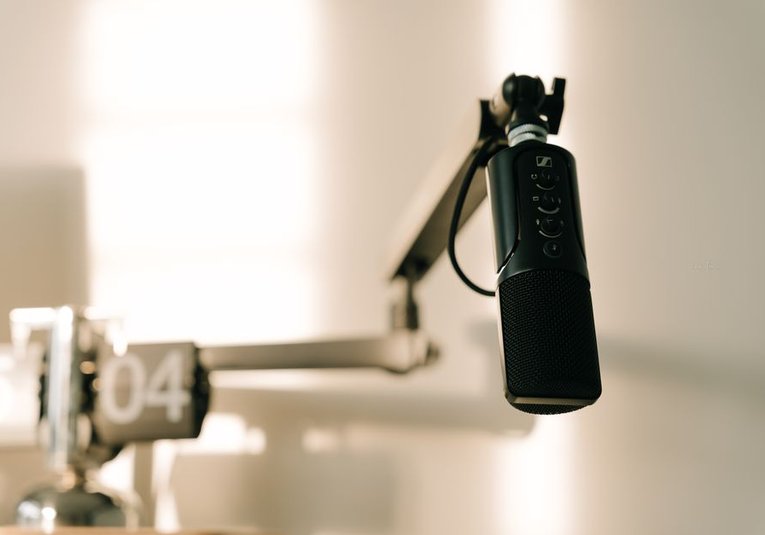
 The press conference has become its own genre of television, and the athletes who treat it honestly are quietly changing how fans relate to the game.
The Case for Watching Sports Without a Second Screen
Somewhere in the last decade, watching sports became a multitasking activity. The game is on the television, the phone is in your hand, the group chat is lit up, and the betting app is open in another tab. We are technically watching, but we are also doing five other things, and the game is often the least demanding of them.
This is not a moral failing. It is a design outcome. Every platform wants your attention, and sports are now packaged to be consumed in fragments. Highlights, clips, reactions, hot takes. The full game is still there, but it competes with everything built to be more immediately rewarding.
What We Lose When We Fragment the Game
A game has an arc. Not just the score, but the emotional rhythm of it. The slow first quarter that sets up the fourth. The stretch where nothing happens and then suddenly everything does. That rhythm is the actual product, and it is nearly impossible to feel if you are checking your phone every two minutes.
Fragmented viewing also flattens the stakes. If you know you can watch the highlights later, the live moment carries less weight. If you are following a live thread, you are reacting to other people's reactions instead of forming your own. The game becomes content about the game.
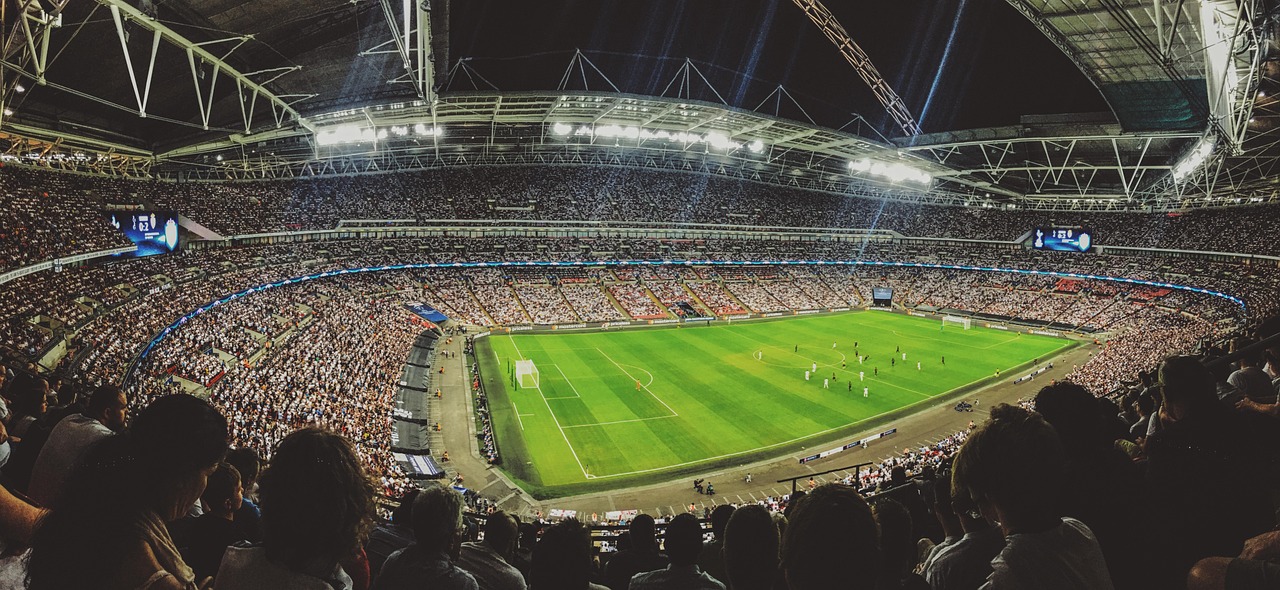
There is a specific pleasure in watching a game with no other input. You notice things. The way a defense shifts before the snap. The way a crowd's noise changes when a team is about to break. The way a player's body language tells you the outcome before the play is over. None of that survives a second screen.
Relearning How to Pay Attention
The first ten minutes without a phone are uncomfortable. That is normal. Attention is a muscle, and most of us have let it atrophy in the name of staying informed. The fix is not discipline so much as curiosity. Ask yourself what is actually happening on the field, not what everyone else thinks is happening.
It helps to make the choice concrete. Put the phone in another room. Close the laptop. If you are at the stadium, leave it in your pocket. Give the game the same courtesy you would give a movie you paid to see.
What comes back is not just the game. It is the ability to be surprised. A comeback hits harder when you did not see the alert first. A bad call stings more when you had to sit with it in real time. The stakes return, because you are actually present for them.
Nobody is saying you have to do this every time. But once a week, once a big game, try it. The game was designed to be watched, not scrolled. It still works that way if you let it.