
 Some athletes make the leap to acting look effortless, and some make it look like exactly what it is: a completely different job.
When the Arena Becomes the Show: Sports Venues as Entertainment Destinations
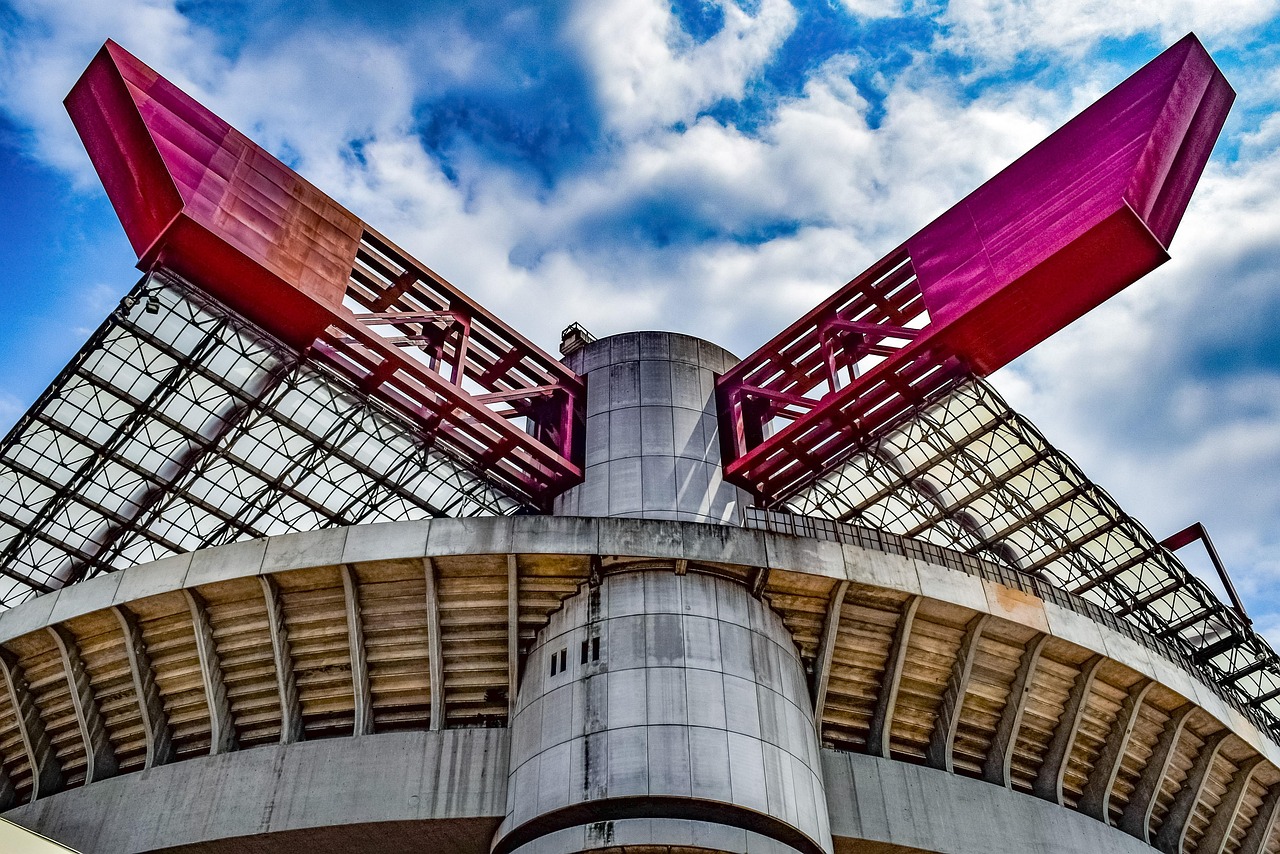
Walk into a newly built sports venue and you might not immediately know what sport is played there. There are restaurants, bars, a concert stage, a fan zone with interactive screens, and a concourse that feels more like a shopping street than a stadium corridor. The field or court is still the center of attention, but it is no longer the only thing happening. The modern arena has become a destination in its own right, and that shift is reshaping the economics and the culture of live sports.
This is not an accident. Team owners and developers have spent the last two decades studying what makes people come back, and the answer is not always the team. Winning helps, obviously, but a franchise cannot control wins. It can control the experience around the game. So venues have grown into entertainment complexes, designed to give people reasons to arrive early and stay late, whether or not the home team is any good.
The Economics of the Full-Night Experience
The logic is straightforward. A ticket is only the beginning of the revenue. Every additional hour a fan spends in or around the venue is another opportunity to sell food, drinks, merchandise, and upgrades. That is why so many new venues are built as anchors of larger mixed-use developments — hotels, apartments, offices, and retail arranged around the stadium. The game becomes the engine that drives a neighborhood.
For fans, the trade-off is real. The experience is more comfortable, more varied, and more accessible than it used to be. You can bring someone who does not care about the sport and they will still have a good time. But the costs have risen too, and the intimacy of an older, smaller venue is hard to replicate. There is a reason people still talk fondly about ballparks built a century ago: they felt like places, not products.
The best new venues try to balance both impulses. They offer the amenities but preserve sightlines and atmosphere. They make room for standing, chanting, and the kind of noise that makes a crowd feel like a crowd. The worst ones feel like a mall with a scoreboard.
Who Gets to Come
There is a more uncomfortable question underneath all this. If venues are increasingly designed around premium experiences — clubs, suites, all-inclusive sections — then the cheapest seats become an afterthought. The people who make a crowd loud are often the people priced out of the best amenities. A venue can be beautiful and still feel hollow if the only people in it are there for the food.
The teams that understand this tend to invest in the cheap seats too: standing sections, family pricing, community programs. They recognize that atmosphere is not a nice-to-have. It is the product. A quiet, comfortable arena is a worse television show and a worse night out, no matter how good the pizza is.
Sports venues have always been more than buildings. They are gathering places, landmarks, and civic symbols. The new generation is testing how far that idea can stretch before it becomes something else entirely. The answer will depend on whether the people building them remember that the game is still the reason anyone came.