
 While national shows chase hot takes, local call-in radio still does something the big platforms forgot how to do.

The Art of the Postgame Press Conference: When Athletes Say What They Mean
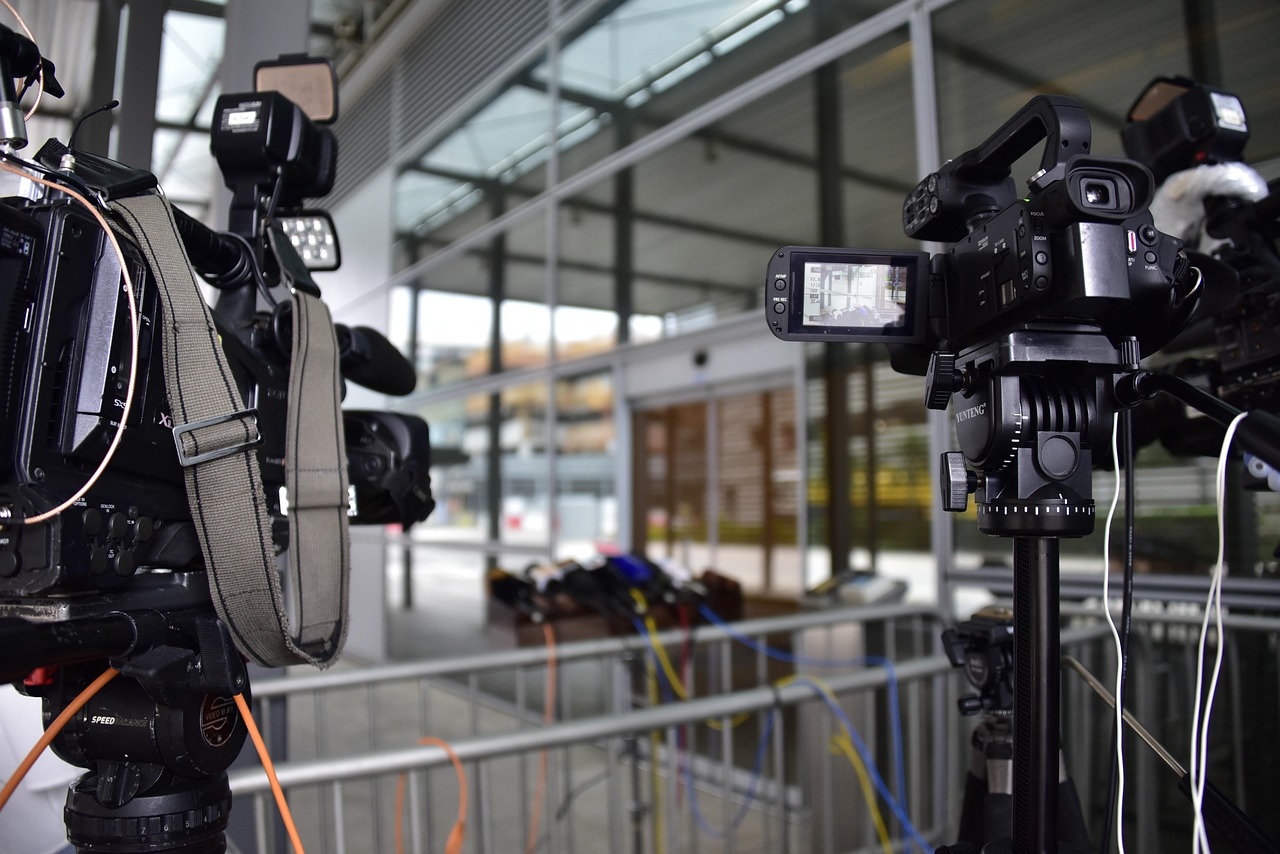
The postgame press conference is one of the strangest rituals in sports. A person who has just spent three hours in physical and emotional combat is asked to sit behind a table, face a wall of cameras and microphones, and explain themselves. Most of the time, the result is a masterclass in saying nothing. Coaches praise "execution" and "effort." Players talk about "taking it one game at a time" and "trusting the process." It is a genre built on cliché, and fans have learned to tune it out.
But every so often, someone breaks the format. A player admits they were scared. A coach takes the blame without hedging. A rookie says something so raw and unpolished that it becomes the moment people remember from the entire night. These are the press conferences that get clipped and shared, not because they are dramatic, but because they are real. And they reveal something worth examining: the press conference, for all its stiffness, is one of the last places in sports where we hear from athletes in their own words, without a script or a highlight reel doing the talking.
The Trouble With Talking in Public
It is worth acknowledging why so many athletes default to empty phrases. The incentives are stacked against candor. Say the wrong thing and it becomes a headline that follows you for years. Show real emotion and you risk being labeled difficult or unstable. The modern media environment rewards the safe answer and punishes the interesting one, which is why so many press conferences feel like listening to a voicemail from someone who does not want to be calling you.
Yet the athletes who manage to be honest anyway tend to earn something valuable in return: trust. Fans are remarkably good at detecting sincerity. When a player stands at the podium after a brutal loss and simply says, "I wasn't good enough tonight," it lands differently than a dozen excuses. It does not require a dramatic confession or a viral moment. It just requires a person willing to speak as a person rather than a brand.
What Honest Answers Give Us
When athletes speak plainly, they give fans a window into the parts of the game that highlights cannot show. The mental weight of a slump. The way a locker room actually feels after a trade. The fear of losing a job. These are not tabloid details; they are the texture of a life spent competing at the highest level, and they are the reason sports stories endure beyond the scoreboard.
There is also a craft to it. The best press conference answers are short, specific, and unafraid of silence. They resist the urge to fill space. They treat the question as a question rather than a threat. This is harder than it sounds, especially minutes after a game when adrenaline is still running high. But when it happens, it is genuinely compelling television, the kind that does not need a highlight package to hold your attention.
None of this means every athlete owes us vulnerability. They do not. But for those who choose to speak honestly, the press conference becomes something better than a formality. It becomes a record of what it actually felt like to be there. And in a sports media landscape saturated with hot takes and manufactured drama, that is quietly rare.